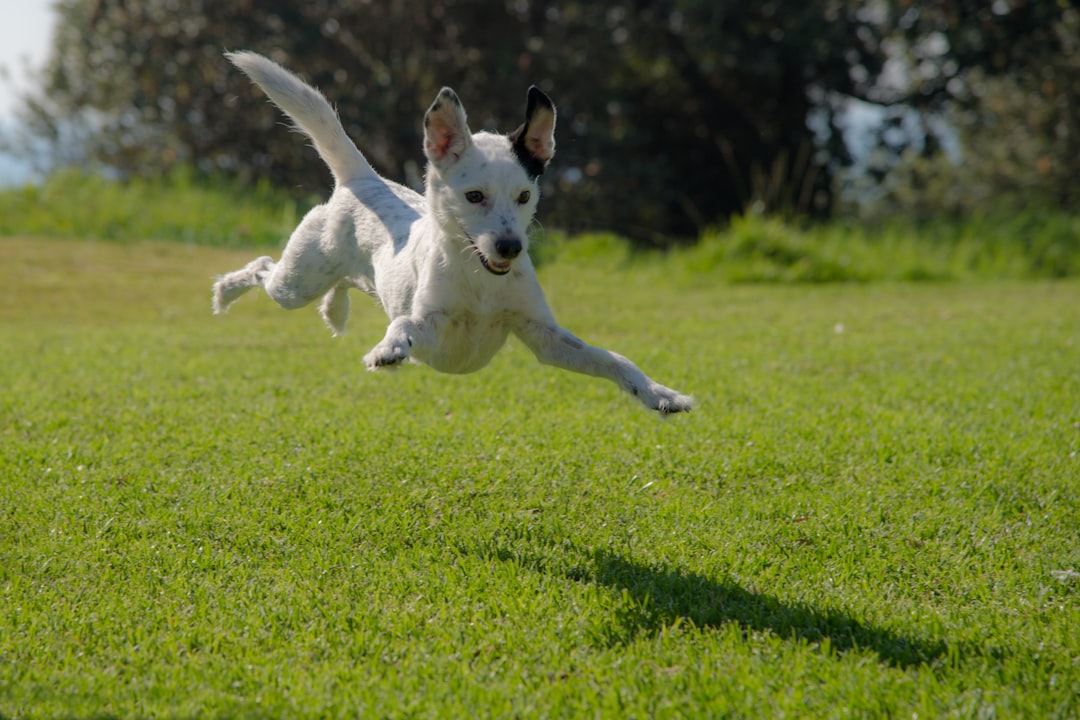
Overview of the importance of regular dog grooming and its impact on pet health.
Regular dog grooming is more than just keeping your pet looking nice. It's about their health and comfort. First off, grooming helps maintain a healthy coat. Brushing removes dirt, debris, and loose hair that can cause matting. Mats can be painful, pulling on your dog's skin. Regular brushing also spreads natural oils across their fur, which keeps the coat shiny and healthy.
Key Benefits of Regular Dog Grooming:
Shedding is a big issue for many pet owners. Regular grooming reduces the amount of hair left around your home. It's about keeping your space clean and reducing allergens, too. Plus, it gives you a chance to check for any skin issues or parasites like fleas and ticks. Catching these early can save a lot of trouble down the line.
Grooming isn't just about the coat. It includes nail trimming, ear cleaning, and teeth brushing. Long nails can cause discomfort or even lead to joint issues. Clean ears can prevent infections. Curious whether this tool is right for your pet? Our FURminator Adjustable Dematting Review covers ease of use and results so you can choose smartly.. And dental care is crucial-just like with humans, it can prevent serious health issues.
Another benefit often overlooked is the bonding time it provides. Grooming is an opportunity to spend quality time with your dog. It can be calming for both of you and strengthens your relationship. Your dog becomes more accustomed to being handled, which can be useful for vet visits or other types of care.
Neglecting these tasks can lead to more than just a scruffy appearance. It can cause health problems that are costly and uncomfortable for your dog. Regular grooming, with the right tools, is essential for a happy, healthy life for your pet.
Explanation of different dog coat types and how they influence grooming needs.
When it comes to grooming, understanding your dog's coat type is essential to ensuring their fur stays healthy and manageable. Different breeds come with a variety of coat types, each requiring specific grooming tools and techniques.
For instance, dogs with double coats, such as Huskies and Golden Retrievers, have a dense undercoat beneath a coarser topcoat. These breeds benefit from regular brushing to prevent matting and reduce shedding. A slicker brush or an undercoat rake can be particularly effective in reaching through to the undercoat and removing loose fur.
Single-coated breeds, like Boxers and Dalmatians, typically have shorter, smoother hair. They require less frequent grooming but still benefit from regular brushing to remove dead hair and distribute natural oils. A rubber curry brush can be an excellent choice for these types of coats.
Curly-coated breeds, such as Poodles or Bichon Frises, need more frequent grooming to prevent tangles and mats. These coats often require specialized grooming tools like a comb with wide and narrow teeth to manage the curls effectively.
Wire-haired breeds, including Terriers and Schnauzers, have a rough texture that requires stripping or trimming to maintain the coat's characteristic appearance. A stripping knife or a specialized stripping tool can help keep their coat tidy and enhance their natural look.
For long-haired breeds, such as Shih Tzus and Afghan Hounds, regular brushing is crucial to prevent tangles and mats. A pin brush or a wide-toothed comb can help maintain their flowing coats without causing damage.
Key Points on Dog Coat Types:
Understanding your dog's coat type allows you to choose the right grooming tools and schedule, ensuring their coat remains healthy and beautiful. Regular grooming tailored to your dog's specific needs promotes not only a clean and well-maintained appearance but also a happier, more comfortable pet.
List of must-have grooming tools and their specific uses for effective grooming.
To achieve effective grooming and ensure your dog's coat remains healthy and manageable, it's crucial to invest in the right tools. Below is a list of must-have grooming tools, each serving a unique purpose in your pet care routine:
Benefits of Proper Grooming Tools:
Slicker Brush: Ideal for removing loose hair and dealing with tangles, a slicker brush is a staple for dogs with medium to long coats. It helps in keeping the fur smooth and reduces shedding.
Bristle Brush: Perfect for short-haired breeds, the bristle brush distributes the natural oils in your dog's coat, enhancing its shine and maintaining a healthy texture.
Dematting Comb: For those stubborn mats and tangles, a dematting comb is essential. It gently detangles without causing discomfort to your pet, making it an invaluable tool for dogs with dense or curly fur.
Nail Clippers: Keeping your dog's nails trimmed is vital for their comfort and health. Invest in high-quality nail clippers designed specifically for dogs to ensure a safe and stress-free trimming experience.
Ear Cleaner: Regular ear cleaning prevents infections and discomfort. Use a gentle ear cleaner to maintain your dog's ear hygiene, especially for breeds prone to ear issues.
Dog Shampoo and Conditioner: Choose a dog-specific shampoo and conditioner to maintain the coat's softness and cleanliness. Avoid human products as they can irritate your pet's skin.
Grooming Scissors: For precise trimming around sensitive areas like the face, paws, and tail, grooming scissors are indispensable. Look for a pair with rounded tips for added safety.
Deshedding Tool: Particularly useful during shedding season, a deshedding tool helps remove undercoat hair efficiently, reducing the amount of fur left around your home.
By equipping yourself with these essential tools, you'll be better prepared to provide your furry friend with the care they deserve, making grooming sessions more effective and enjoyable for both of you.

Detailed guide on how to groom your dog effectively, step by step.
Regular grooming is more than just keeping your dog looking good. It's about their health and happiness. First off, grooming helps maintain a healthy coat. Brushing your dog regularly prevents mats, which can be painful and lead to skin infections. It also distributes natural oils, giving their fur a healthy shine. Plus, it reduces shedding, which is a win for both you and your furniture.
Key Benefits of Regular Grooming:
Beyond the coat, grooming is a chance to check your dog's overall health. You can spot issues like ticks, fleas, or skin problems early on. Regular nail trimming is crucial too. Long nails can cause discomfort or lead to paw injuries. And don't forget about the ears and teeth. Cleaning them can prevent infections and dental issues.
Grooming isn't just about maintenance—it's also a bonding experience. Spending this time together strengthens your relationship. Your dog learns to trust you, and you learn more about their body language and comfort levels.
If you skip regular grooming, you're looking at more than just a messy coat. Neglect can lead to health issues, discomfort, and a stressed-out pet. It's not uncommon for dogs with neglected grooming to develop serious skin conditions or paw issues. So, make grooming a routine. Start slow if your dog is new to it. Use the right tools for your dog's coat type. And always be gentle and patient. This isn't just a chore—it's a chance to care for your dog in a meaningful way.
Techniques and products that enhance a dog's coat health, promoting shine and softness.
Regular grooming is essential for keeping your dog's coat in top condition. It's not just about appearance; it's about well-being too. A healthy coat means less shedding around the house and a happier pet. When you brush your dog regularly, you're not only removing loose fur and dirt, but you're also distributing natural oils that keep their coat shiny and soft. This is where the right tools come into play. A slicker brush is ideal for dogs with long hair, while a bristle brush works wonders on short-haired breeds.
When you groom your dog, you're also checking for any issues like ticks, fleas, or skin irritations that might need attention. It's like a mini health check-up. If you catch problems early, it's easier to deal with them. And don't forget the bonding experience. Spending time grooming your dog can strengthen your relationship. It's a moment of calm and connection.
However, skipping regular grooming can lead to tangles and mats, which are uncomfortable for your pet and can cause skin problems. Mats can pull on the skin and make it hard for your dog to move freely. Plus, if you wait too long, grooming becomes a bigger task and more stressful for both of you. So, make it a habit. Set a routine that fits your dog's needs, whether it's weekly or bi-weekly. The key is consistency. With the right tools and a regular schedule, you're setting your dog up for a healthier, more comfortable life.
How regular grooming minimizes shedding and maintains a cleaner home environment.
Regular grooming is more than just keeping your dog looking good; it's about their health and your home's cleanliness. Dogs naturally shed, but regular grooming can significantly minimize this. When you brush your dog frequently, you help remove loose fur before it ends up all over your furniture and clothes. This means less vacuuming and a tidier home environment.
Brushing isn't the only aspect of grooming. Regular baths help remove dirt and dander that contribute to shedding. It's recommended to bathe your dog every 4 to 6 weeks, depending on their breed and activity level. Use a gentle, dog-specific shampoo to avoid skin irritation. This not only keeps their coat clean but also reduces allergens in your home.
Let's talk about coat health. Regular grooming distributes natural oils from your dog's skin through their coat, keeping it shiny and healthy. These oils are essential for preventing dry skin, which can lead to excessive shedding. And don't forget about the nails. Trim them regularly to prevent discomfort and joint issues.
Grooming is also an excellent opportunity to bond with your pet. Dogs often enjoy the attention and care they receive during these sessions. It can be a calming experience for both of you, reinforcing trust and companionship.
Neglecting regular grooming can lead to a matted coat, which is uncomfortable for your dog and more challenging to manage. Mats can pull on the skin and even cause sores. So, investing time in regular grooming is a win-win. Your dog stays healthy and comfortable, and you enjoy a cleaner, happier home.
Explore how grooming sessions can enhance the bond between owner and pet.
Grooming sessions offer a unique opportunity to strengthen the bond between you and your furry companion. As you gently brush your dog's coat, trim their nails, or clean their ears, you are engaging in a form of communication that goes beyond words. This physical interaction not only helps your dog associate grooming with positive feelings but also builds trust and understanding between you both.
The time spent grooming allows you to understand your dog's body language and responses, helping you become more attuned to their needs and preferences. It is a moment of undivided attention, where you can observe any changes in their health or behavior, fostering a deeper connection. Moreover, regular grooming sessions can reduce your dog's anxiety around being handled, making them more comfortable and relaxed.
Using the right grooming tools can further enhance this bonding experience. Gentle brushes, soothing shampoos, and safe nail clippers ensure that the process is comfortable and enjoyable for your pet. By investing time and care into these sessions, you are not only maintaining the health and appearance of their coat but also nurturing a loving relationship that will last a lifetime.
Solutions to common grooming problems such as matting and anxious pets.
Matting is a frequent issue many dog owners encounter, especially with long-haired breeds. It can lead to discomfort and skin problems if not addressed promptly. To tackle matting effectively, invest in a high-quality detangling spray and a slicker brush. Begin by gently working through the tangles with your fingers, applying the detangling spray to loosen the knots. Then, use the slicker brush to carefully remove the mats, starting from the tips and gradually working towards the roots. Regular brushing sessions will prevent mats from forming in the first place, making it a good habit to maintain.
For pets that become anxious during grooming, creating a calm and reassuring environment is essential. Start by introducing grooming tools slowly, allowing your dog to sniff and become familiar with them. Positive reinforcement, such as treats and praise, can help associate grooming with positive experiences. Consider using calming aids like lavender-scented sprays or soothing music to reduce stress. Additionally, choosing tools that are quiet and gentle can make a significant difference in reducing a pet's anxiety. Patience and consistency are key; over time, your dog will become more comfortable with the grooming process.

Guidelines on how often different breeds should be groomed based on coat type and lifestyle.
Understanding how often to groom your dog is crucial for maintaining their coat and overall well-being. The frequency of grooming largely depends on your dog's breed, coat type, and lifestyle. For dogs with short coats, such as Beagles or Dobermans, grooming every four to six weeks is generally sufficient. These breeds benefit from regular brushing to remove loose hairs and distribute natural oils.
Dogs with medium-length coats, like Golden Retrievers or Border Collies, typically require grooming every four weeks. Regular brushing helps prevent matting and tangles, while a monthly bath can keep their coat clean and shiny. For breeds with long or curly coats, such as Poodles or Shih Tzus, more frequent grooming is necessary—usually every two to four weeks. Their coats are prone to tangling and matting, so regular brushing and trimming are essential.
Lifestyle also plays a role in determining grooming frequency. Active dogs or those that spend a lot of time outdoors may need more frequent baths and brushing to remove dirt and debris. Conversely, dogs that spend most of their time indoors may require less frequent grooming, provided their coat remains in good condition.
By tailoring your grooming schedule to your dog's specific needs, you can ensure they remain comfortable and healthy, while also making the grooming process more manageable and enjoyable for both you and your pet.